CULTURAL LANDSCAPES FOR WELL-BEING. VALL D’HEBRON (BARCELONA)
Introduction
Heritage elements are much more than vestiges of past times: they constitute spaces of rootedness, beauty and collective memory that directly influence the quality of life of communities. In a context in which emotional well-being and mental health are considered central dimensions of public health, the need emerges to explore non-invasive, preventive and transformative tools that contribute to improving people’s daily lives.
In this framework, cultural heritage —especially that which is embedded in the landscape and in public space— reveals itself as an innovative resource for fostering social cohesion, connection with the environment and a sense of overall well-being.
The contemporary notion of well-being is multidimensional: it integrates emotional, physical and social elements that are conditioned by multiple factors. Scientific research has shown that meaningful and enjoyable activities, linked to the discovery of the environment and to cultural enjoyment, can contribute to improving self-perceived health.
In recent decades, the intersection between culture, health and well-being has advanced especially in museums, educational centres and creative spaces. European and international strategies —such as the Bottom-up Policy Development for Culture & Well-being in the EU (EU/EAC/S18/2020) initiative or SDGs 3.5, 10.2 and 11.4— place this axis as a priority line of action. However, the field of archaeological and landscape heritage has still been little explored in this regard.
Project description
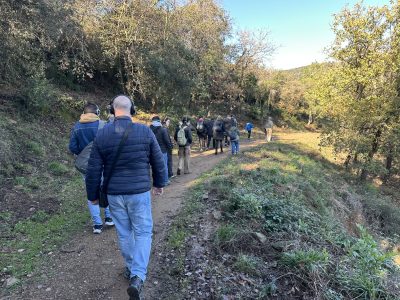
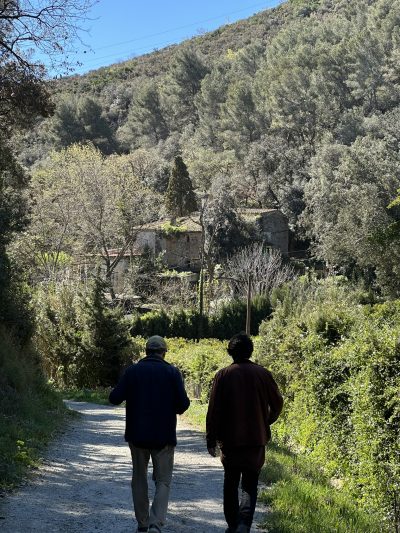
The project is a pilot experience initiated in 2024 between the ICAC and the Vall d’Hebron Hospital, with the aim of promoting a campaign of dissemination, awareness and discovery of the cultural and heritage landscape of the immediate surroundings of the hospital centre. The initiative is disseminated through the digital screens in the waiting rooms and also on social media, with the intention of bringing the cultural values of the territory closer to a broad and heterogeneous public.
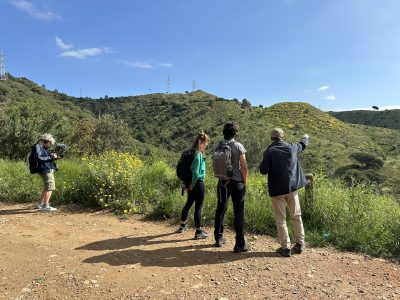
The project is developed in coordination with Dr. Sara Guila Fidel, clinical psychologist, certified social prescriber and head of the Arts in Health programme at Vall d’Hebron Hospital, and counts on the support of the centre’s Dissemination and Communication departments. It also includes the collaboration of members of the Department of History and Archaeology of the University of Barcelona: Professor Santiago Riera, Dr. Roberta Mentesana and anthracologist Sabrina Bianco, who participate in defining the heritage itineraries and in creating narratives on the historical and archaeological values of the cultural landscape around Vall d’Hebron. At the community level, the project also works with the Centre d’Estudis El Pou, in the neighbourhood of La Clota, which provides local knowledge and living memory of the territory. Likewise, the Barcelona History Museum (MUHBA) supports the initiative and the dissemination of the resulting outcomes.
This network of collaborations makes it possible to create and activate heritage resources aimed at improving the sociosanitary experience of users, while reinforcing the connection between the hospital, its surroundings and the neighbourhood. In line with Vall d’Hebron’s trajectory in creating more human and welcoming spaces, the project offers an innovative resource that directly links the hospital centre with the cultural landscape that surrounds it, integrating it into mental health and emotional well-being strategies aimed at patients, relatives and healthcare staff.
The project incorporates a participatory citizen science process that allows us to analyse the impact of these resources on the self-perceived health of users. Monitoring is carried out through questionnaires designed by Dr. Guila Fidel, who leads the aspects related to health within the project. All materials created follow accessibility criteria and use clear and inclusive language to ensure that heritage knowledge reaches as many people as possible.
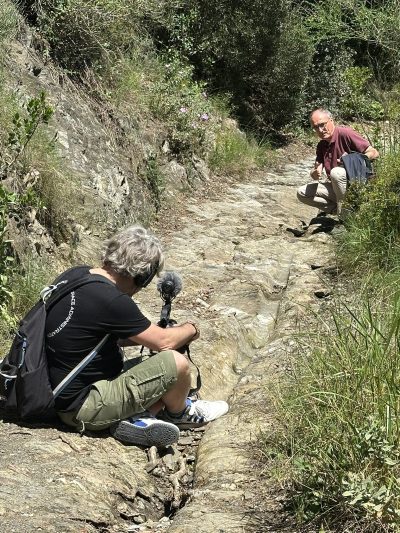
This pilot experience also includes the participation of the BitLab cooperative, which supports the creation of audiovisual materials and the social dynamisation of the itineraries. Overall, the project demonstrates the potential of the heritage‑health binomial as an innovative way to bring scientific and heritage knowledge closer to people who, in many cases, would not have access to it in other contexts of their daily lives.
Objectives:
- Improve the sociosanitary experience of patients, families and staff at Vall d’Hebron Hospital.
- Strengthen the connection between the hospital, the environment and the neighbourhood.
- Highlight the cultural landscape of Collserola and the surroundings of Vall d’Hebron (Sant Genís dels Agudells, La Clota, Mundet-Valldaura) as a resource for health and well-being.
- Generate data on the impact of proximity heritage on community health.
- Make archaeological knowledge accessible to a broad and diverse public.
Cultural resources:
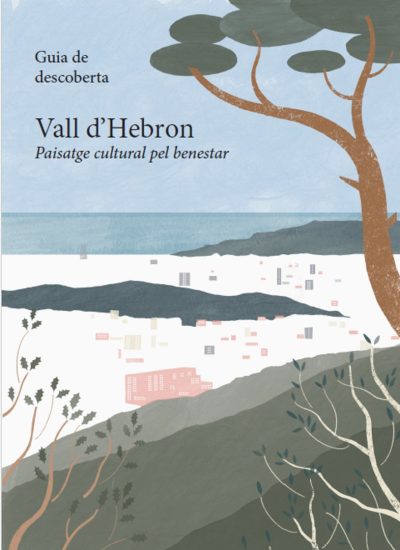
Illustrated guide for the discovery of the 3 itineraries on the cultural landscape of Vall d’Hebron (printed and digital format):
- Valldaura.
- Sant Genís dels Agudells–Sant Cebrià.
- La Clota.
Audiovisual capsules for in‑depth discovery of the heritage itineraries. They function as video guides for the different stops of the itineraries (digital format).
Dissemination campaign of the initiative and of the resources created, designed for the screens in waiting rooms and community spaces of Vall d’Hebron Hospital.
Expected results:
The project seeks to demonstrate that the heritage + health binomial can become a powerful tool to:
- reduce stress and improve emotional well-being,
- strengthen the feeling of territorial rootedness,
- promote meaningful and healthy activities,
- foster culture as a proximity health resource.