The initiative, led by ICAC’s UTIS-UCC+i, provides resources to strengthen skills in knowledge transfer, citizen participation and the social impact of research
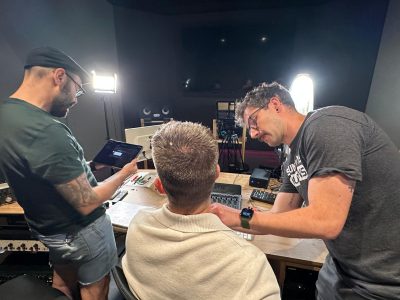
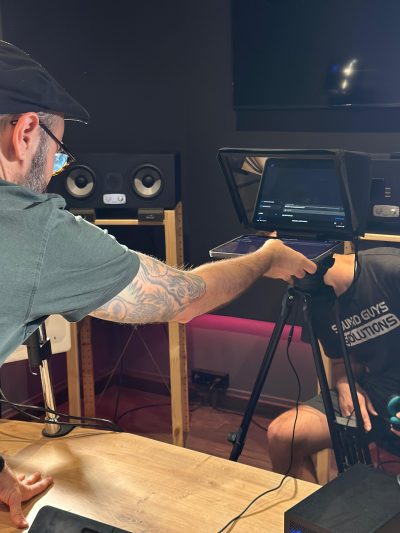
The Knowledge Transfer and Social Impact Unit (UTIS-UCC+i) of the Catalan Institute of Classical Archaeology (ICAC) has launched Archaeology that Transforms, a new annual training programme featuring short video modules for the Institute’s research community, with a particular focus on research staff and students enrolled in the Master’s Degree in Applied Classical Archaeology (MACA).
The initiative is part of the annual IN-Vicum programme (FCT-24-21375) and aims to strengthen skills in knowledge transfer, social impact and the promotion of scientific culture. The programme seeks to foster more effective and accessible knowledge transfer that responds to society’s needs, while consolidating UTIS-UCC+i as a specialist training and support resource for ICAC research staff.
Three modules to bring research closer to society
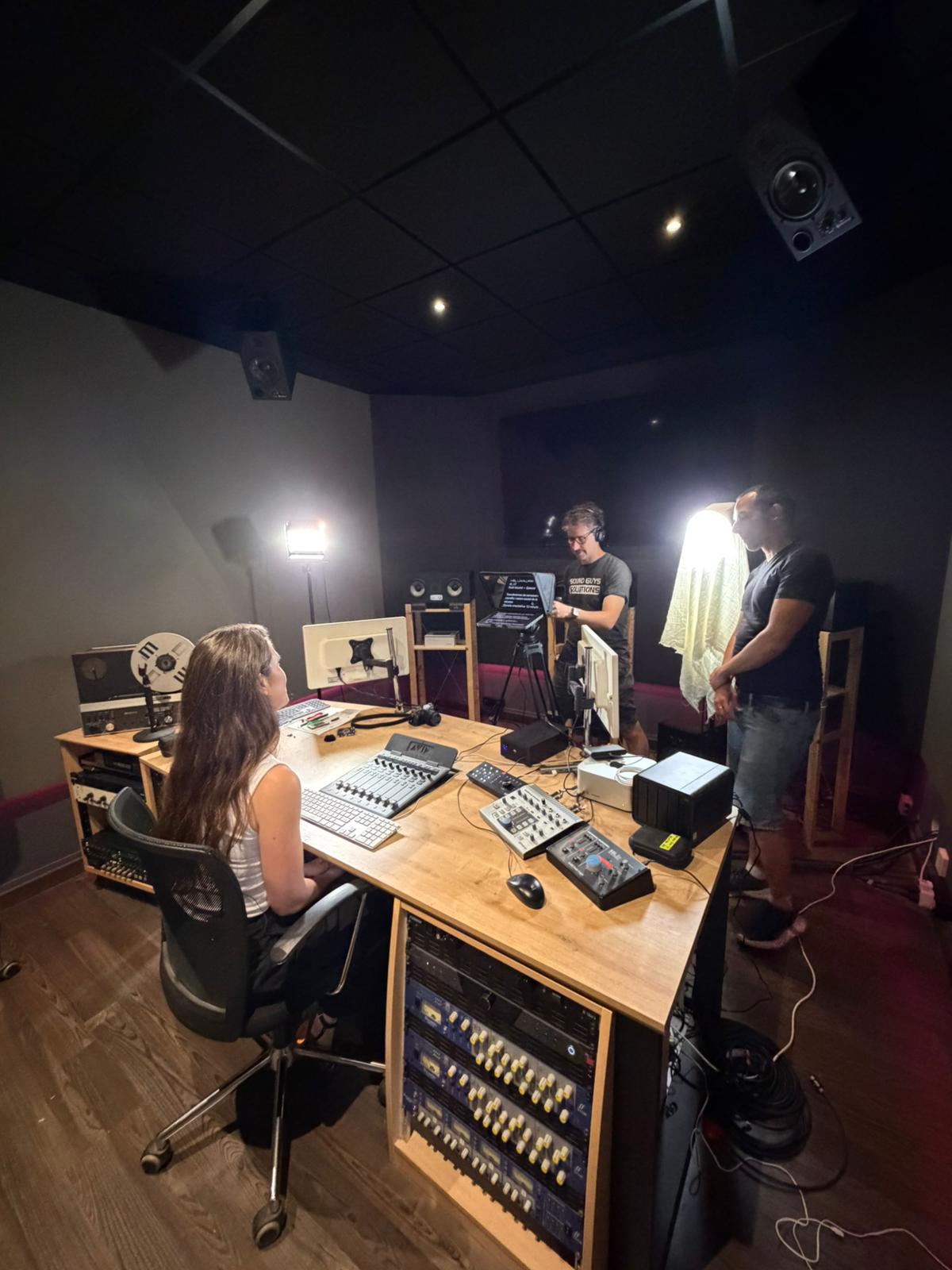
The programme begins with three audiovisual modules addressing key concepts and methodologies to enhance the societal benefits of research in archaeology and heritage.
- Knowledge Transfer in Archaeology and Heritage: An Introduction to the Basic Concepts (16 minutes)
The first module introduces the main concepts related to knowledge transfer and explores how research in archaeology and heritage can generate value and social benefits beyond academia. It also addresses the societal benefits of research, relationships with communities and territories, and the differences between knowledge transfer, valorisation, scientific dissemination and science communication.
- Citizen Participation, Living Labs and Sociocultural Innovation in Archaeology and Heritage (20 minutes)
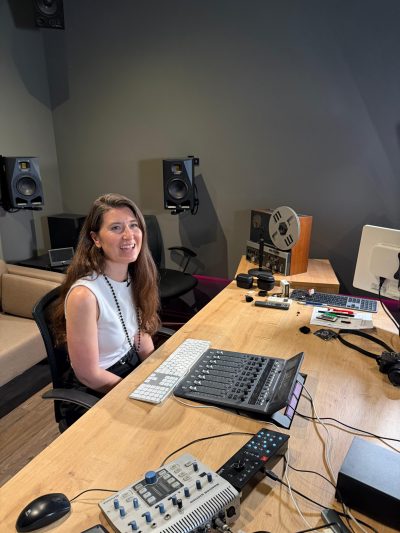
The second module explores how citizen participation can be incorporated into research projects from the earliest stages of their design. It presents *Living Labs* as spaces for co-creation and experimentation in real-world settings and addresses issues such as cultural rights, access to knowledge, sustainability, dialogue between different forms of knowledge, and sociocultural innovation.
- The Social Impact of Research (18 minutes)
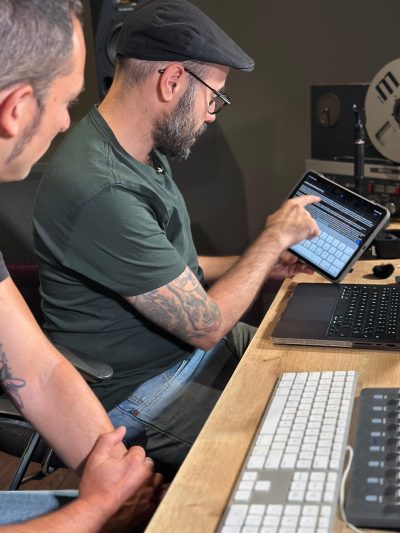
The third module focuses on planning and evaluating the social impact of research in archaeology and heritage. It explains what social impact means, how it differs from a project’s outputs and activities, and which tools can help identify, monitor and communicate the changes generated in communities, institutions, public policies and territories.
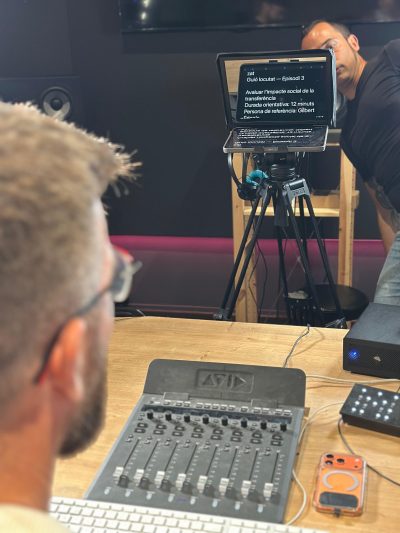
Collaboration with BitLab
The initiative has been developed in collaboration with the BitLab Cooperative, which was responsible for preparing the content of the module on citizen participation and sociocultural innovation. Its expertise in collaborative methodologies and community co-creation processes has helped incorporate these perspectives into the training modules.