The ICAC and IPHES research project has documented new prehistoric, Roman and medieval archaeological sites, opening up new perspectives for studying ancient settlement in these mountainous areas.
During the second half of October and the first half of November, two archaeological survey campaigns were carried out as part of the four-year research project Mountain Settlement in the Southern Catalan Pre-Coastal Range, led by Dr Jordi López, from the Catalan Institute of Classical Archaeology (ICAC), and Dr Josep Maria Vergès, from the Catalan Institute of Human Palaeoecology and Social Evolution (IPHES).
The fieldwork focused on two areas: Mola de Genessies, in the municipality of Vandellòs, and several locations in the Ports de Tortosa mountain range. The investigations have expanded our knowledge of human presence in these territories and led to the discovery of new archaeological evidence.
Mola de Genessies: a site offering new research opportunities
The first intervention took place over two weeks at Mola de Genessies, a high-altitude archaeological site that is difficult to access. It had previously been the subject of occasional archaeological work in the mid-20th century and had traditionally been classified as an Iberian settlement.
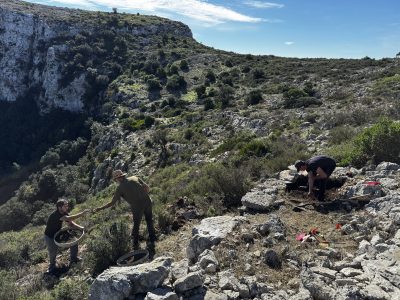
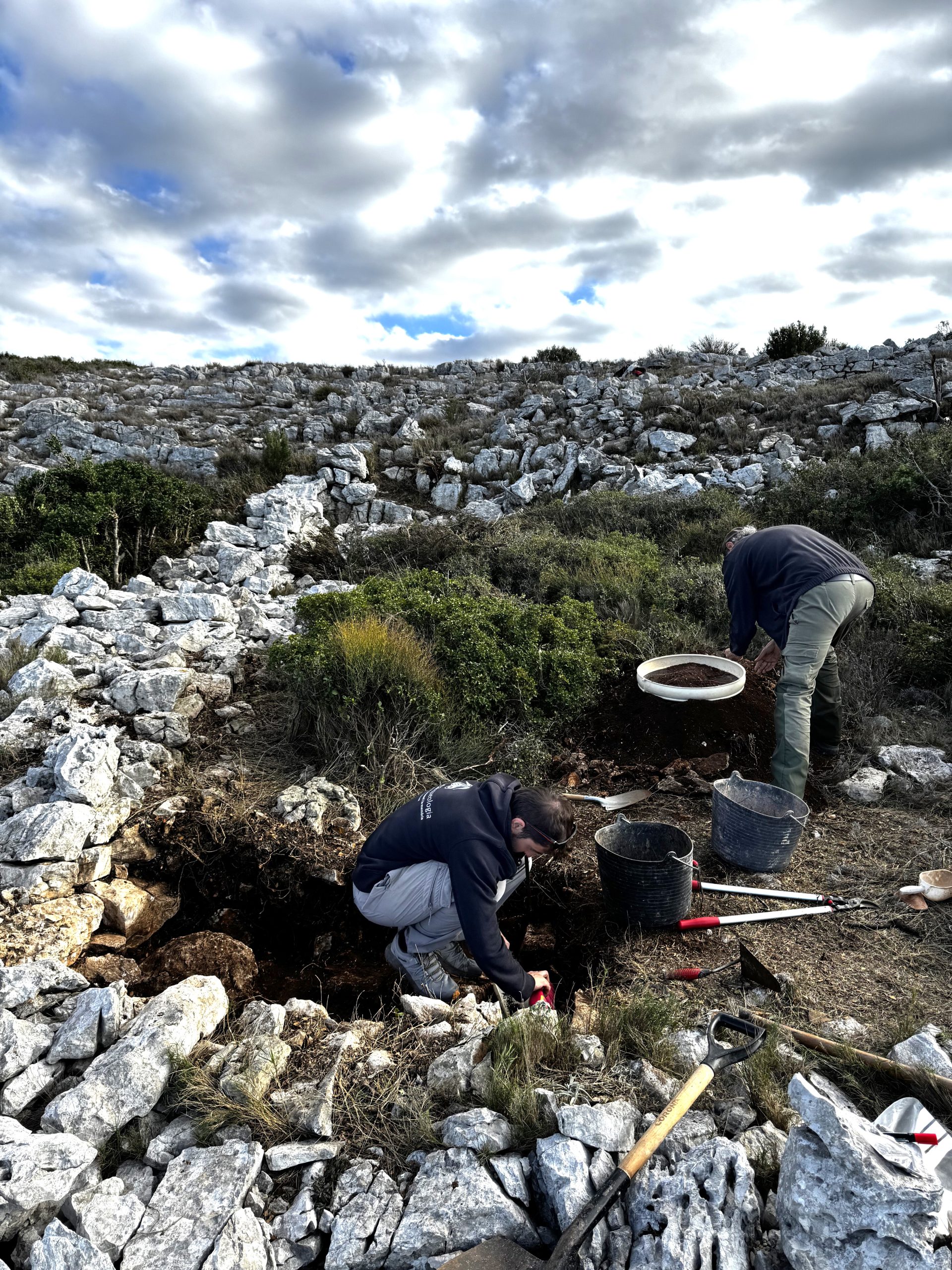
The work, involving several collaborators, initially focused on clearing vegetation to facilitate the identification of the numerous walls and structures preserved on the surface. This was followed by a photogrammetric survey to produce a detailed plan of the archaeological complex.
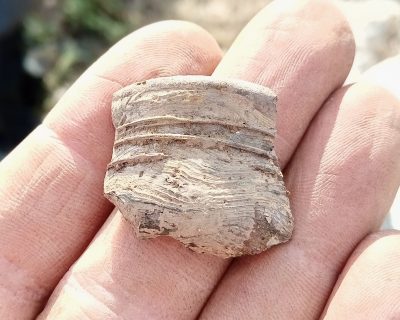
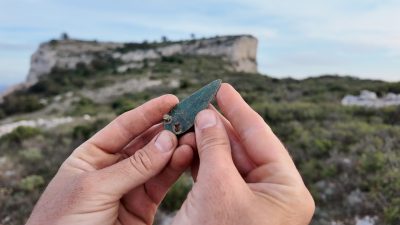
The surface survey recovered significant archaeological materials pointing to two distinct phases of occupation: one dating to prehistoric times and the other to the Late Roman period. In addition, two small archaeological test trenches were opened to study the stratigraphy, date the structures and collect samples for future analyses.
The initial results have exceeded the research team’s expectations and confirm the archaeological potential of the site, where further work is planned for upcoming campaigns.
New archaeological sites in the Ports de Tortosa
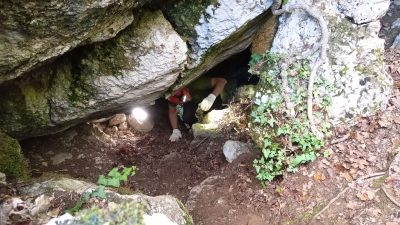
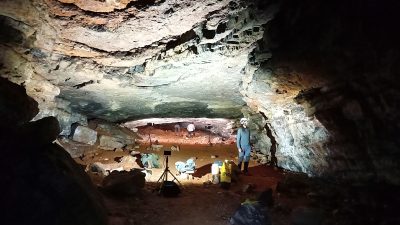
In November, the team continued its research in the Ports de Tortosa, building on the survey conducted in March this year. At that time, twelve caves and rock shelters were investigated: five yielded prehistoric evidence, two contained Roman-period materials and three produced medieval remains.
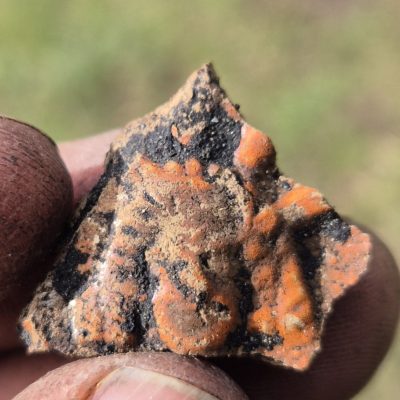
During this new campaign, the team surveyed seven caves, four water sources and five areas with archaeological potential, located within the municipalities of Tortosa, Roquetes, Paüls and Alfara de Carles. The work made it possible to document these locations and recover archaeological materials that will help establish their chronology and assess the potential for future archaeological interventions.
Among the most significant results was the discovery of a new prehistoric cave site in the municipality of Roquetes, as well as two sites showing evidence of Roman and medieval occupation in the municipalities of Tortosa and Alfara de Carles. All three are located at altitudes of over 1,000 metres above sea level, providing new insights into patterns of human occupation in mountainous areas.
Towards new excavation campaigns
The results obtained during the March and November surveys provide a basis for planning the excavation campaigns scheduled for next year. The evidence recovered at both Mola de Genessies and the Ports de Tortosa opens up new research avenues for exploring the chronology, settlement patterns and dynamics of occupation in the southern Catalan pre-coastal mountain range.