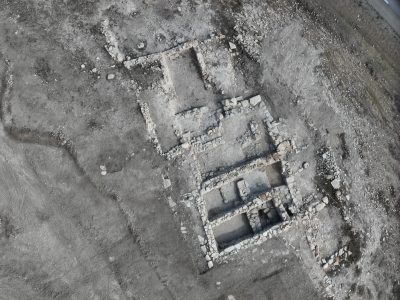
Excavations conducted by the ICAC and the National Heritage Institute of Tunisia have documented the almost complete ground plan of a Numidian house for the first time, while advancing research into the settlement’s urban layout and defensive structures
The second archaeological excavation campaign at the site of Sidi Saïd, located in Bargou (Siliana, Tunisia), took place from 16 September to 6 October 2026 under the international cooperation agreement between the National Heritage Institute of Tunisia (INP) and the Catalan Institute of Classical Archaeology (ICAC). The work has deepened our understanding of the settlement’s urban layout, which dates to the Numidian period, between the 5th and 3rd centuries BC, and has provided new evidence concerning domestic architecture, construction techniques and material culture.
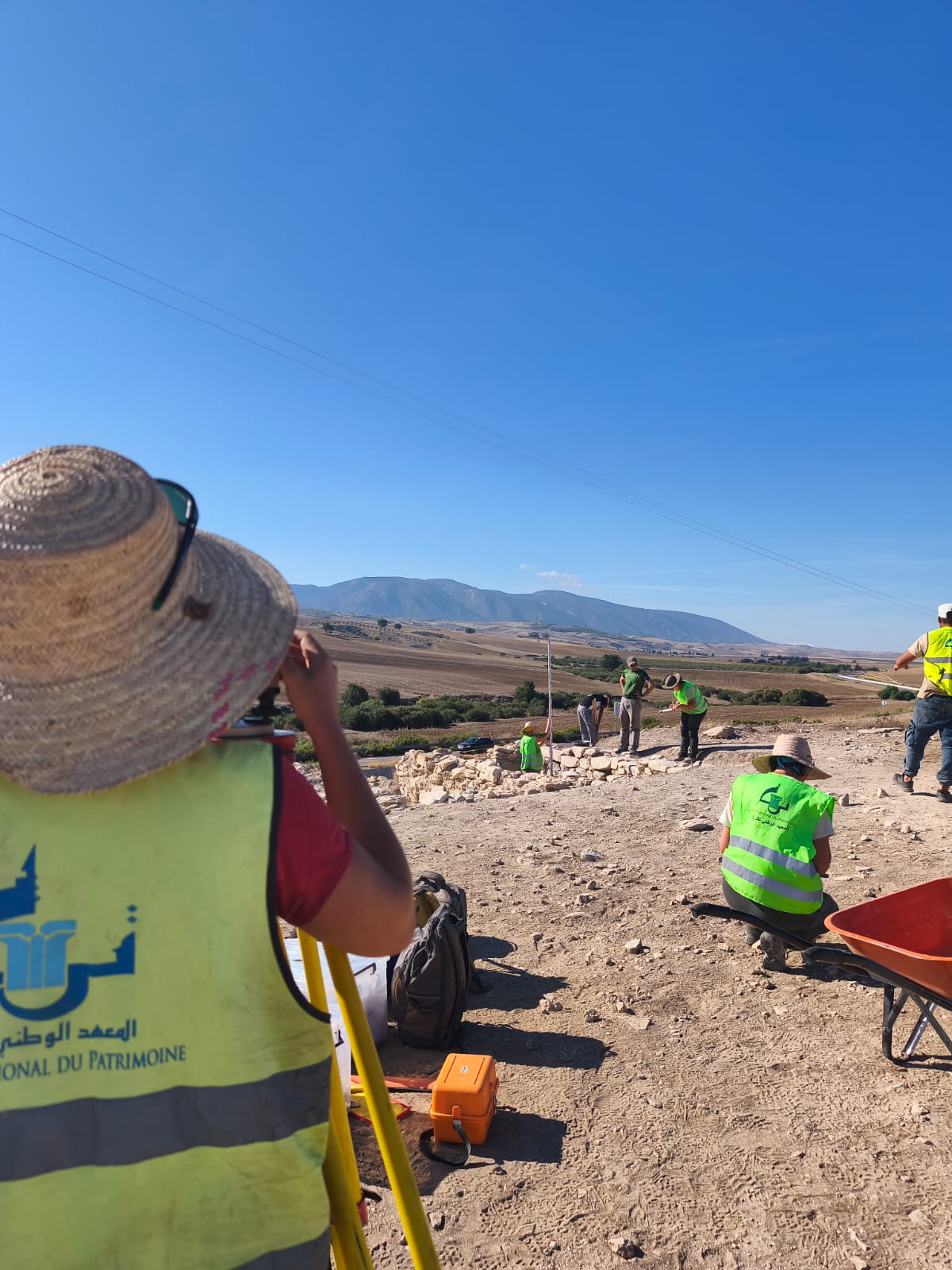
The excavation was directed by researchers Yamen Sghaïer and Chokri Touihri from the INP, and Maria Carme Belarte and David Montanero from the ICAC, with the participation of researchers, conservators and students from Tunisia and Catalonia.
A Numidian house with an almost complete ground plan
One of the most significant results of the 2026 campaign was the documentation, for the first time, of a Numidian house whose ground plan is almost completely preserved. The building is located in Area 3, in the northeastern sector of the settlement, and has a complex layout comprising several rooms.
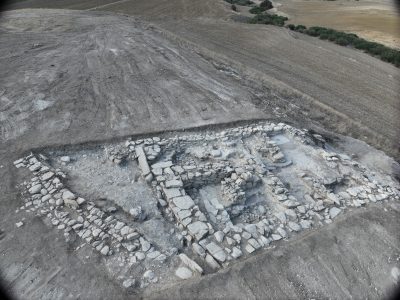
The house dates to the 4th century BC, or possibly earlier, and underwent several structural modifications throughout its period of use. It was built against the settlement’s perimeter wall, a defensive structure that had already been documented in another part of the site, in Area 2, during the 2025 campaign.
This discovery advances the reconstruction of Sidi Saïd’s urban layout and provides new insights into the relationship between domestic spaces and the settlement’s defensive system.
New finds shed light on everyday life
In Area 1, adjacent to the area investigated during the preventive archaeological excavation of 2017–2018, the work has expanded the available evidence concerning construction techniques, building materials and domestic installations, particularly hearths.
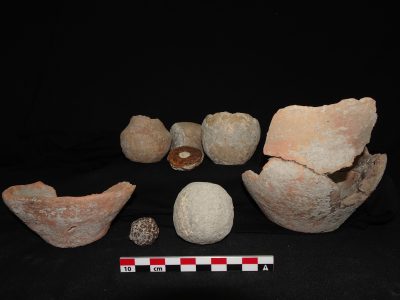
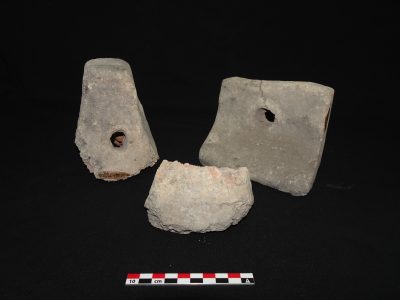
The excavations have also yielded a large number of objects in an excellent state of preservation, some of them almost complete. Notable finds include a wide range of pottery, comprising both locally produced vessels and Carthaginian wares, as well as objects used to support containers over a fire. These materials provide valuable evidence for studying domestic practices and contacts between communities in the region.
A settlement occupied between the 5th and 3rd centuries BC
The site of Sidi Saïd was discovered during the widening of the GP4 national road, which connects El Fahs and Siliana via Bargou. The construction work affected the southern edge of the settlement, prompting a preventive archaeological excavation that took place between December 2017 and April 2018.
That intervention revealed a relatively complex urban layout and a defensive wall, provisionally dated to the middle of the first millennium BC. It also confirmed the excellent state of preservation of the architectural remains, the richness of the archaeological finds and the absence of later occupation.
The campaigns carried out in 2025 and 2026 under the cooperation agreement between the INP and the ICAC, with support from the Palarq Foundation, have confirmed the site’s archaeological potential and helped refine its chronology. The structures documented indicate that the settlement was in use from the second half of the 5th century to the end of the 3rd century BC.
Survey work at a pre-Roman necropolis
Alongside the excavations, the 2026 campaign continued the survey work in the area surrounding the site, which had begun the previous year. A pre-Roman necropolis had been identified there, and investigations into this funerary complex continued during the latest campaign.
The complex comprises at least 85 monuments, opening up new avenues of research into funerary practices and the communities that inhabited this territory in antiquity.