• Contact
  • Intranet
  • CAT
  • ES
  • EN

ICAC

Institut Català d'Arqueologia Clàssica

  • Who are we?
    Researchers in Archaeology
    • Greetings from the Director
    • Institution
    • Organisation
    • Staff
    • Reports
    • Agreements
    • Gender equality
    • Institutional Presence
    • HR Excellence
    • Working at the ICAC
    • Transparency Portal
    • Data Protection
    • Profile of contracted person
    • Electronic Invoicing
    • Contact
  • Research
    We Generate Knowledge
    • Research Groups
    • Researchers
    • Projects
    • Scientific Output
    • Laboratories
    • Doctoral Theses
    • Open Science
    • MSC Actions
  • Training
    Tomorrow’s Archaeologists
    • Master’s Degree in Classical Archaeology
    • Doctoral Programme in Classical Archaeology
    • Other Programmes
  • Dissemination
    Connection with Society
    • ICAC Activities
    • Researcher Activities
    • Knowledge transfer
    • Radio show “Toquem pedra”
    • Patrimoni en 3D
  • Services
    Research Tools and Support
    • Documentation Centre, Library and Open Science
    • Archaeometric Studies Unit
    • Publishing Services
    • Scientific Facilities
    • Knowledge Transfer and Social Impact Unit
  • News
    What’s
    New?
    • News
    • Agenda
    • Archeonea Newsletter
    • Press
    • Subscription

News

/ News / News / Uncategorized

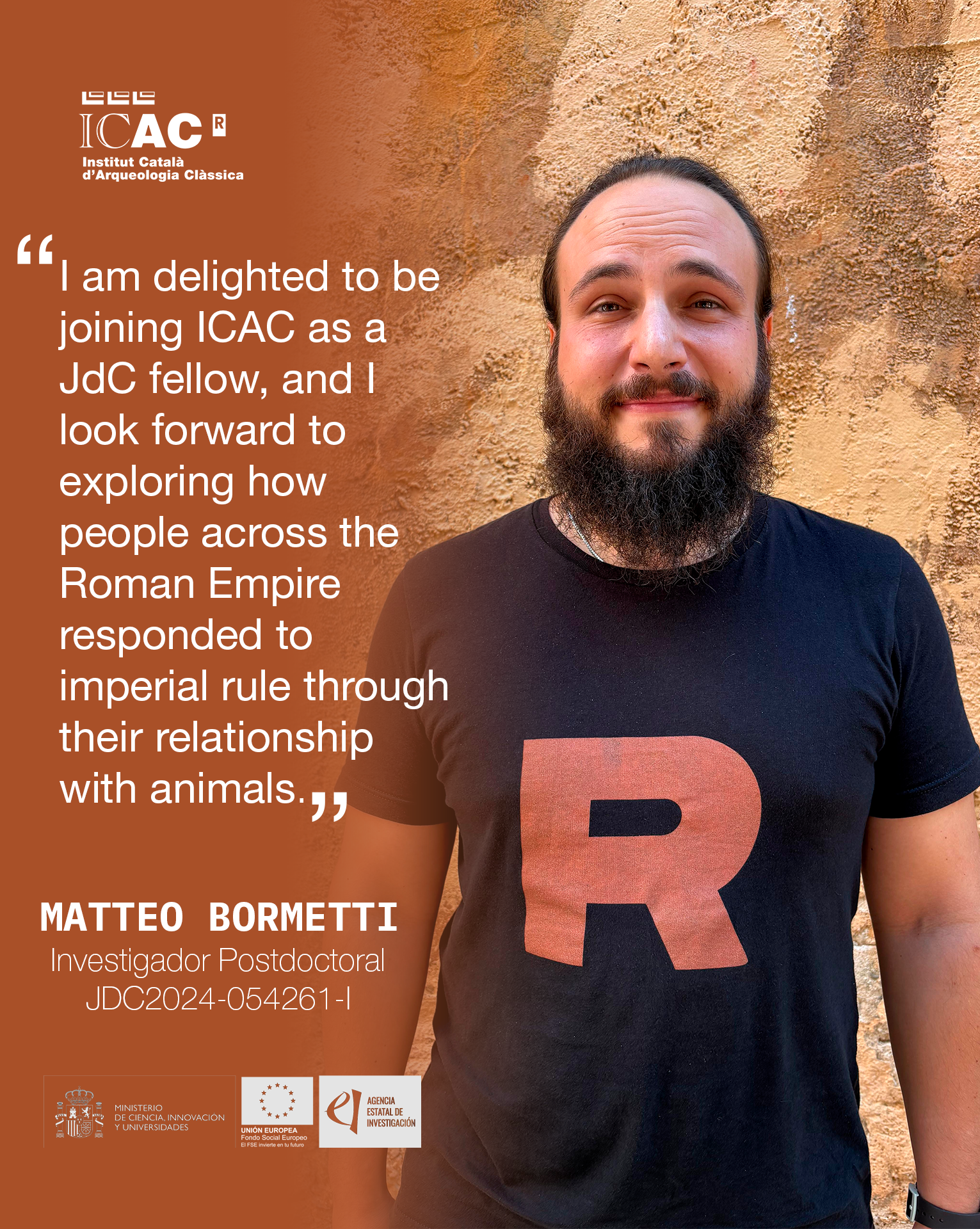
Matteo Bormetti joins ICAC as a postdoctoral researcher

20 October 2026

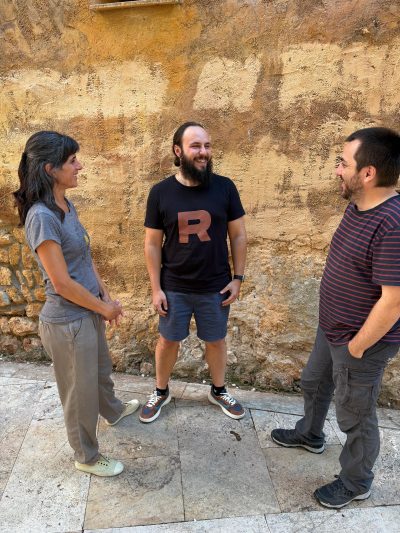
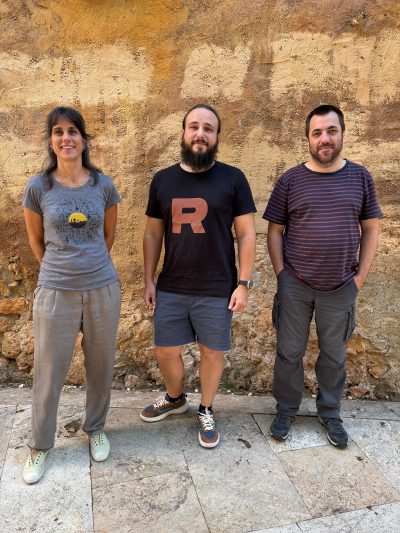
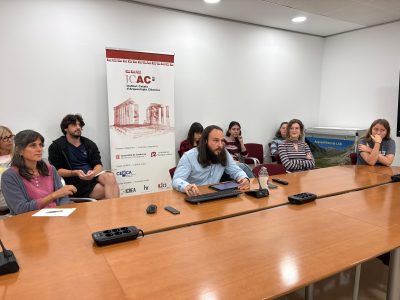
The Catalan Institute of Classical Archaeology (ICAC) welcomes Matteo Bormetti, who joined the institute on 1 September as a postdoctoral researcher with a Juan de la Cierva fellowship funded by the Spanish State Research Agency. Bormetti joins the Landscape Archaeology Research Group (GIAP), where he is carrying out the project Mapping Roman Imperialism Through Animals, under the supervision of Dr. Lídia Colominas and Dr. Arnau Garcia.

The project investigates how local communities in different regions of the Roman Empire adapted their animal husbandry practices and relationships with animals in response to Roman conquest. By combining zooarchaeological data with geographic information systems (GIS), the research will map these responses and analyse how processes of imperial integration transformed animal breeding and exploitation practices.
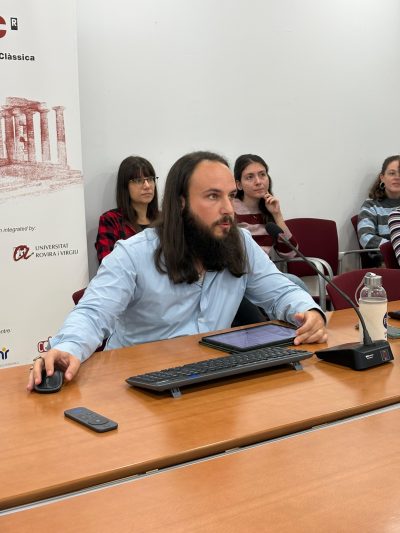
Specialising in zooarchaeology and the study of past human–animal relationships, Bormetti has researched a range of topics, including animal husbandry systems, urban provisioning, ancient beekeeping and the exploitation of marine resources. He obtained his PhD from the University of Sheffield in 2023 with a thesis on animal husbandry and socioeconomic change in Late Iron Age Britain.

Following his doctorate, he taught zooarchaeology at the University of Milan, held a postdoctoral research position at the German Archaeological Institute (DAI), and took part in several international archaeological research projects. These include the Meninx Archaeological Project in Tunisia and excavations at Monte Zara in Sardinia. He is also currently an associate editor of the newsletter of the International Council for Archaeozoology (ICAZ).

ICAC welcomes Matteo Bormetti and wishes him every success in this new stage of his research career.
SHARE:
Imprimir PDF
« ICAC launches a collaboration with the German Archaeological Institute to study ancient plant remains at Pergamon

News

  • News
  • Agenda
  • Archeonea Newsletter
    • Archeonea’s archive
  • Press
  • Subscription
Consorci integrat per:
Centre CERCA:
Centre acreditat:
Plaça d’en Rovellat, s/n, 43003 Tarragona
Telephone: 977 24 91 33 · info@icac.cat
© 2026 ICAC · Legal Notice · Cookie Policy
This web is on the PADICAT
Utilitzem cookies per garantir que us donem la millor experiència al nostre lloc web. Si continueu utilitzant aquest lloc, assumirem que us plau.